
How to See Lava on the Big Island (Safely and Respectfully)
Everything you need to know about seeing lava on Hawaiʻi Island, from current eruption updates to cultural etiquette.
The only reliable way to see lava on the Big Island is to check Kīlauea's current eruptive status, then visit the viewing areas inside or near Hawaiʻi Volcanoes National Park. Surface lava is not guaranteed and changes daily. When active, the best viewing is after dark from designated overlooks, or during a guided tour that monitors conditions.
Kīlauea has been erupting almost continuously for decades, but where the lava appears changes. In recent years, lava has been visible inside Halemaʻumaʻu crater, along the East Rift Zone, and at Fissure 8 in Leilani Estates during the 2018 eruption.
Where can you see lava on the Big Island?
- Halemaʻumaʻu Overlook: Inside Hawaiʻi Volcanoes National Park. When the lava lake is active, the crater glows orange after sunset.
- Kīlauea Iki Overlook: Views of the crater floor and steam vents.
- Chain of Craters Road: Historic lava flows and coastal views; road access varies with eruptions.
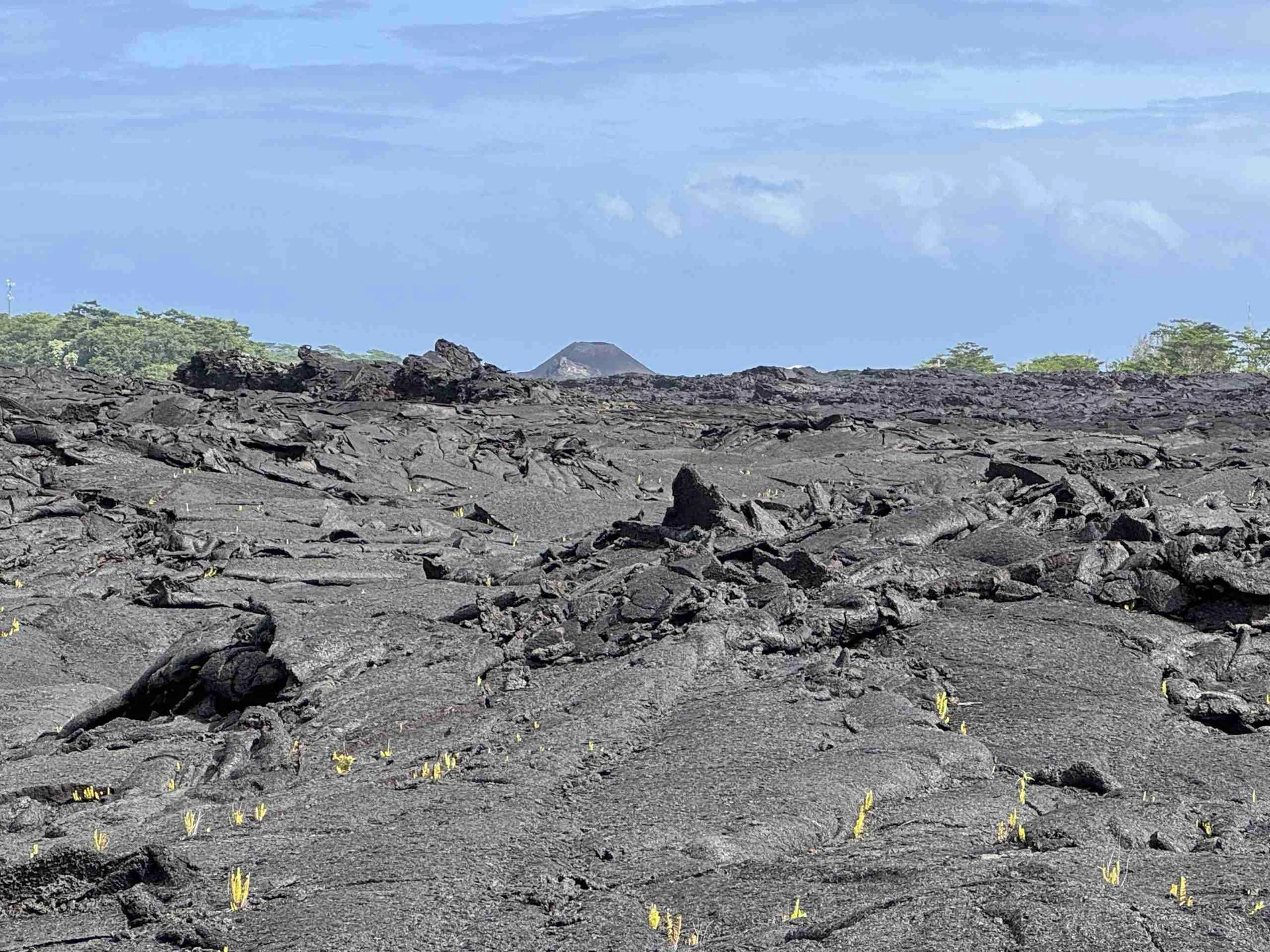
- Fissure 8 / AhuʻAilāʻau: The 2018 eruption vent near Leilani Estates. No active lava, but the landscape is dramatic and educational.
- Puna coastline: When ocean entry is active, this is where lava meets the sea. Access is often restricted for safety.
How to check current lava conditions
- Visit the USGS Kīlauea status page
- Check the Hawaiʻi Volcanoes National Park alerts
- Watch the USGS live webcam on our homepage
- Ask a local guide. Conditions change hourly
Is it safe to see lava on a tour?
Yes, when you follow park rules and stay with a knowledgeable guide. Volcanic gases, unstable ground, and sudden weather changes are real hazards. A good guide knows which areas are open, where the best viewing is, and when to turn back.
Cultural etiquette: visiting Pele's home
For many Native Hawaiians, Kīlauea is the home of Pele, the volcano goddess. Visitors should stay on marked trails, never take lava rocks as souvenirs, avoid throwing things into the crater, and approach the landscape with respect. Taking rocks is not only culturally inappropriate. It is also illegal in the national park.
What if there is no active lava during my visit?
The Big Island is still worth the trip. Steam vents, lava tubes, craters, rainforest, black sand beaches, and the geology of the 2018 eruption make Hawaiʻi Volcanoes National Park one of the most unique landscapes on Earth. Our Fissure 8 tour focuses on the story of the 2018 eruption even when no surface lava is present.
Book a lava-focused Big Island tour
Our guides monitor eruption conditions daily and adjust routes to give you the best possible volcano experience.
Tags: lava, Kīlauea, volcano, Big Island, safety